Buying a Used Car in Florida: Find Safe and Reliable Used Cars from Licensed Dealer or Private Sale
Posted Monday, Jul 13, 2026
Purchasing a used vehicle in Florida can save you money, but it also requires homework to avoid costly mistakes. Whether you're shopping for cars in Florida from dealerships, independent dealers, or a private seller, this ultimate guide walks you through every step — from finding a used car to inspecting, test driving, verifying the vehicle history report, financing, and completing the transfer of title.
How do I find used cars and compare options in the used car market?
Finding the right used cars means combining online searches with in-person visits. Use sites like dealer listings, Facebook Marketplace, and independent dealers to cast a wide net. Look for makes and models that fit your needs and budget, then compare mileage, vehicle history reports, and price trends to understand depreciation and the value of the car.
When shopping for a used car, create a short list and compare: certified pre-owned vs private sale, licensed dealer inventory vs independent dealers, and the availability of warranties or add-on protections. Check consumer reports and market guides to get a realistic idea of fair pricing so you can get a good deal whether buying from a private seller or dealership.
What should I ask when I want to buy a used car from a dealer or private seller?
Ask direct questions about the vehicle’s history, any past accidents, and whether there is a lien on the vehicle. Request the vehicle history report and ask to verify the odometer reading. Dealers should provide documentation; private sellers may not, so insist on transparency before you proceed.
Confirm maintenance and repairs records, ask if the car has a warranty of any kind, and whether the car was used for commercial purposes. For dealer purchases, inquire about certified pre-owned programs, trade-in options, and additional tag and title fees. For private sales, verify the name on the title and plan to complete the transfer of title at the county motor vehicle office.
How can I inspect a used car and what should I look for before buying?
Always inspect the exterior, interior, and under the hood for signs of damage or poor maintenance. Look for uneven panel gaps, mismatched paint, leaks, worn tires, and brake condition. Check fluid levels and listen for unusual noises when you test drive. These visual checks help you anticipate potential repairs and maintenance and repairs costs.
Bring a checklist that includes verifying the vehicle’s history, mileage, and safety features. Consider a pre-purchase inspection by an independent mechanic; this unbiased review can reveal hidden issues and strengthen your negotiating position. If the seller resists a mechanic’s inspection, consider that a red flag.
Why should I get a vehicle history report before buying a used vehicle?
A vehicle history report reveals prior accidents, title brands (salvage, flood), service records, and odometer discrepancies. Reviewing the report helps you avoid vehicles with a troubled past and gives you leverage to negotiate the best deal. Most reputable dealers provide these reports; private sellers should be willing to share them as well.
Use the vehicle history report alongside the flhsmv motor vehicle information check for Florida-specific title and lien information. The combination of national history data and state motor vehicle records ensures you’re not surprised by a hidden lien or title issue when you try to complete the transaction.
How do I test drive and what should I evaluate during the car for a test drive?
Schedule a test drive that includes on-ramps, city streets, and highway driving to evaluate acceleration, braking, steering, and noise levels. Drive the vehicle as you normally would; test safety features, heating and air conditioning, and electronics. Pay attention to brake feel and any vibrations that could indicate alignment or suspension problems.
Confirm the car behaves consistently each time you drive it. Verify the mileage shown matches expectations, and ask the seller about any quirks. If buying from a dealer, request a demonstration of any included warranty, certified pre-owned benefits, or the returns policy for the car-buying experience.
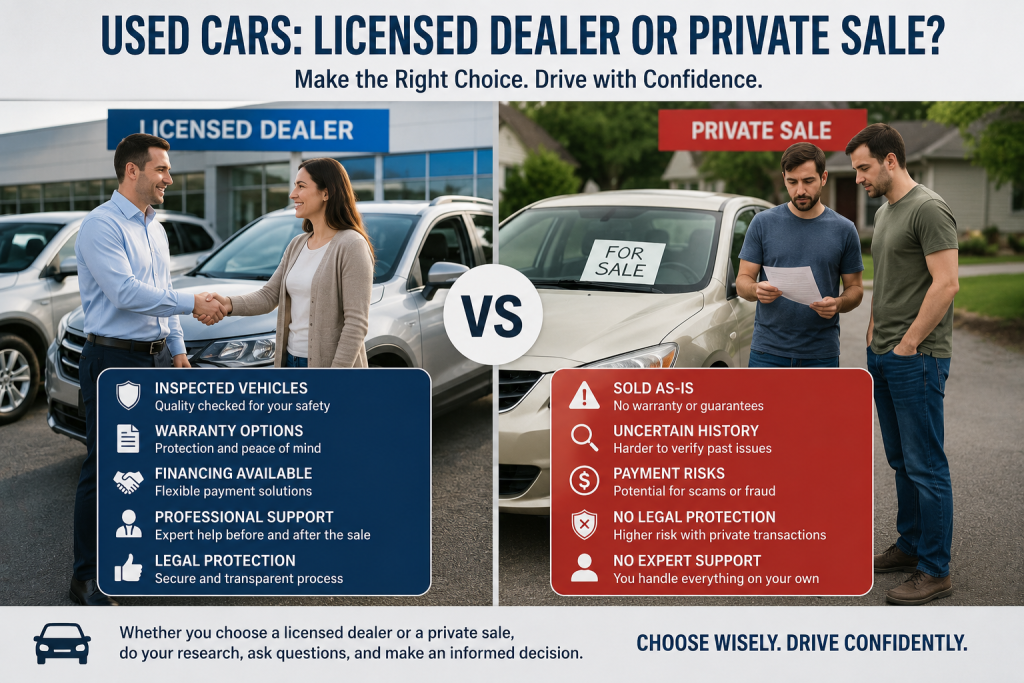
Is buying from a private seller safe and how does it differ from dealership purchases?
Buying from a private seller can yield lower prices but comes with fewer consumer protections than buying from a licensed dealer or dealership. Private party sales often lack warranties, certified pre-owned assurances, and financing options, so you must be diligent about inspection, vehicle history reports, and verifying the title.
If purchasing from a private party, arrange to meet at a safe, public location and bring a friend. Verify the name on the title matches the seller and ensure there are no outstanding liens. Consider using a third-party escrow service for large transactions, and always complete the transfer of title promptly through the state of Florida motor vehicle office to avoid future liability.
What financing options are available for purchasing a used car in Florida?
You can finance through dealership lenders, bank or credit union loans, or get a loan pre-approved before you visit sellers. Compare interest rates and terms to see which option gives you the lowest total cost. Financing through a dealership might be convenient, but independent financing often gives you more leverage to negotiate the best deal.
If you plan to finance, bring proof of income, insurance, and identity. Understand the impact of trade-in value and how it affects your loan amount. For older used motor vehicles, some lenders may require higher down payments or shorter terms, so compare interest rates and terms carefully to avoid overpaying due to interest.

How do warranties, certified pre-owned programs, and dealer protections affect value?
Warranties and certified pre-owned programs can make a used car more valuable and safer to buy. Certified pre-owned vehicles typically include detailed inspections, limited warranty coverage, and sometimes roadside assistance. These perks can offset higher initial costs and reduce the risk of unexpected repairs.
Private sales rarely include any warranty of any kind, so expect to pay for repairs out of pocket or purchase third-party warranties. When a dealership includes a warranty or service contract, read the fine print for exclusions, add-on fees, and whether the coverage transfers if you later sell the car.
How do state rules and the FLHSMV process affect completing the sale in Florida?
Florida has specific motor vehicle laws for titling, tagging, and transferring ownership. Visit the FLHSMV motor vehicle information check and local county tax collector to understand tag and title fees, required documents, and any emissions or safety inspections if applicable. Completing the transfer of title promptly helps avoid fines or future liability.
When completing the transaction, ensure the seller provides a signed title, bill of sale, and disclosure of any liens. If there’s a lien, confirm it’s released or obtain a lien release before finalizing. The FLHSMV and county offices will guide you through registering the car, paying sales tax, and getting your name on the title.
How do I negotiate and get the best deal whether at dealerships or with private sellers?
Start with research: know the vehicle’s market value, typical mileage for the age, and common maintenance costs. Use quotes from multiple dealerships and private sellers to create leverage. Point out issues found during inspection or discrepancies in the vehicle history report to negotiate a lower price or require repairs before purchase.
Be prepared to walk away if the price is not right. Consider timing deals around month-end for dealerships when salespeople may be more motivated to meet quotas. For private sellers, be respectful but firm: offer a fair price backed by data and be ready to complete the sale quickly if the seller accepts.
What final steps should I take to ensure a safe and reliable ownership after buying?
After purchase, register the vehicle in your name, get appropriate insurance coverage, and schedule an initial maintenance check with a trusted mechanic. Verify the used car’s safety features are functioning and address any immediate repairs like brakes or fluid changes. Keep records of all service and repairs to maintain vehicle history for future resale.
Consider a short-term warranty or service plan if you bought from a private seller without protections. Update your emergency kit and review the car’s manuals. Regular maintenance will reduce long-term depreciation and help keep your used vehicle safe and reliable on Florida roads.
Summary — Key Takeaways
- Research the used car market, compare dealerships and private sellers, and list needs and budget before you shop.
- Always get a vehicle history report and perform an FLHSMV motor vehicle information check to verify title, liens, and odometer reading.
- Inspect the vehicle thoroughly and have an independent mechanic perform a pre-purchase inspection when possible.
- Test drive under varied conditions to evaluate brakes, steering, noise, and overall drivability.
- Compare financing options, warranties, and certified pre-owned programs to find the best combination of price and protection.
- Complete the transfer of title promptly, obtain insurance, and keep maintenance records to protect your investment.
Buying a used car in Florida is manageable when you follow these steps: find a used vehicle that fits your needs and budget, inspect and test drive it, verify the vehicle’s history and title status, compare financing and warranty options, and complete the necessary FLHSMV motor vehicle paperwork. For buyers seeking a trustworthy local option, consider working with Coast Auto Store LLC, a Used Car Dealer in Pinellas Park, FL, known for used cars that are safe and reliable. Whether you buy from a licensed dealer or a private seller, focusing on inspection, a clear vehicle history report, and a fair price will help you get the best deal on a motor vehicle in the competitive cars Florida market.